
DofE AI Gold Award
A 24-week, 6-month Skills section route covering Python machine learning pipelines, feature engineering and a data challenge portfolio project.
24 weeks6 monthsLive onlinePortfolio
Gold Skills Section
Students finish with practical Python machine learning experience and a portfolio project that demonstrates sustained applied AI work.
Students use NumPy, Pandas, Matplotlib and Scikit-learn to build and evaluate model workflows.
Logistic regression, KNN, decision trees, random forests, clustering and PCA are used in context.
The final five-week data challenge project ties data cleaning, features, modelling and results into one showcase.
A comprehensive study of Python machine learning algorithms, covering supervised learning, ensembles, clustering and dimensionality reduction.
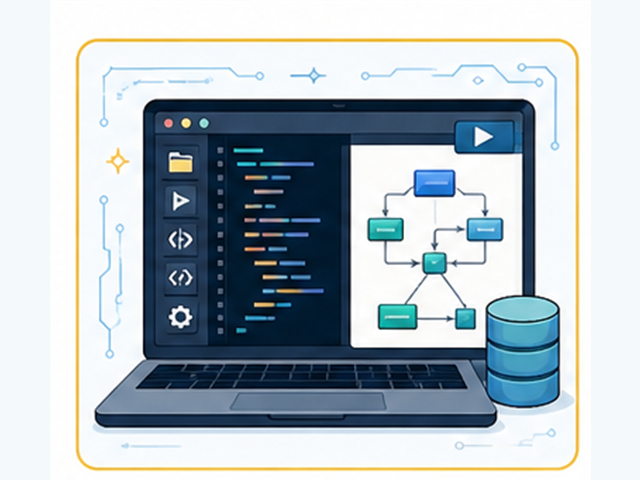
Moving from visual blocks to structured programmatic development environments.
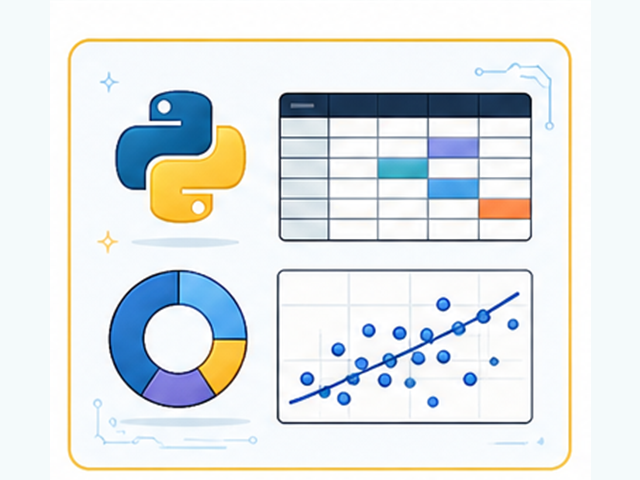
Using NumPy, Pandas, Matplotlib and Scikit-learn in an end-to-end setup.
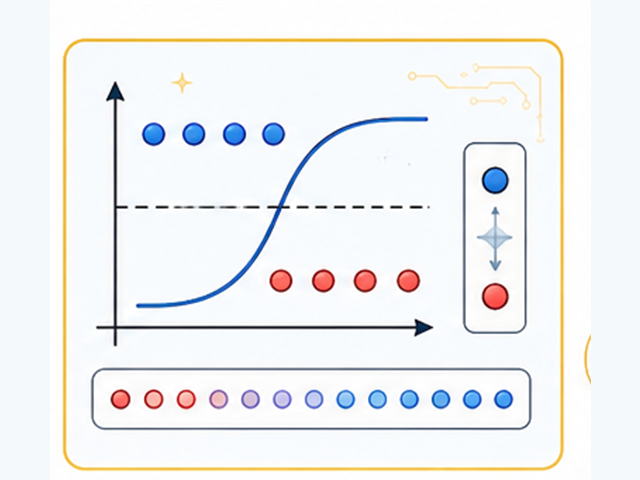
Binary classification, log-odds and the sigmoid activation mapping.
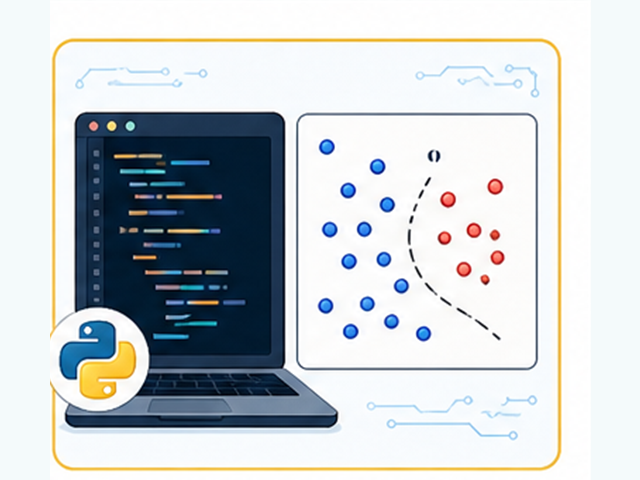
Writing and testing a programmatic binary classification boundary.
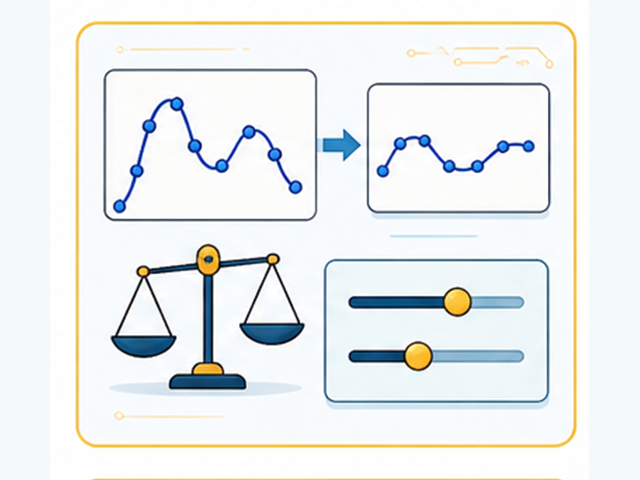
Preventing overfitting and underfitting with L1 and L2 penalties.
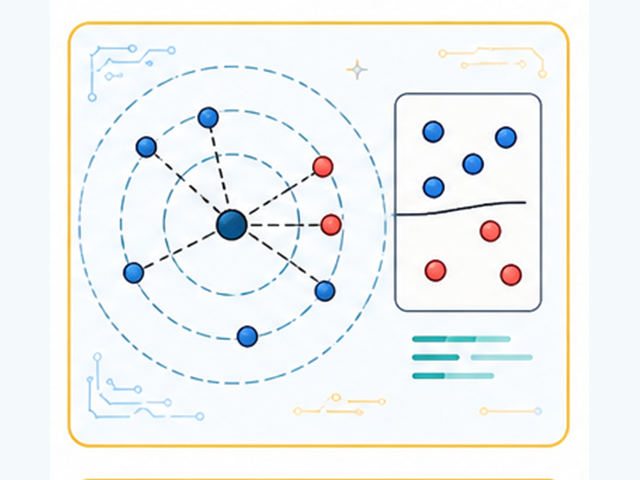
Instance-based classification, Euclidean distances and the role of K.
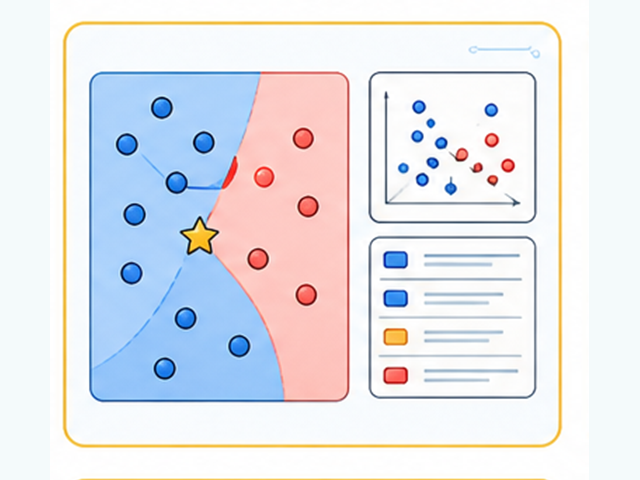
Constructing a KNN classification map over complex feature spreads.
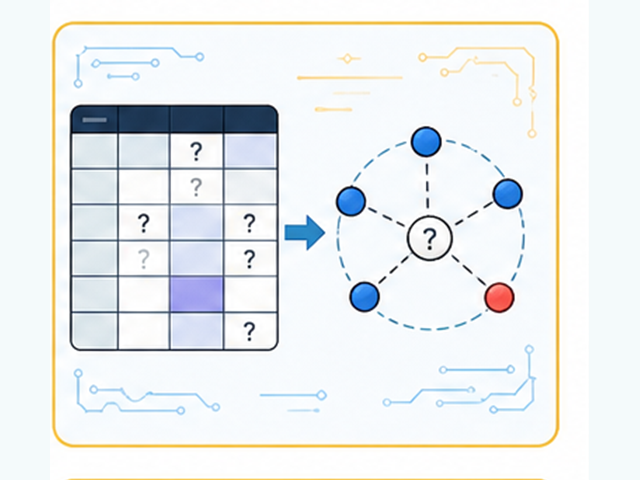
Using KNN models to analyse and fill missing rows in messy datasets.
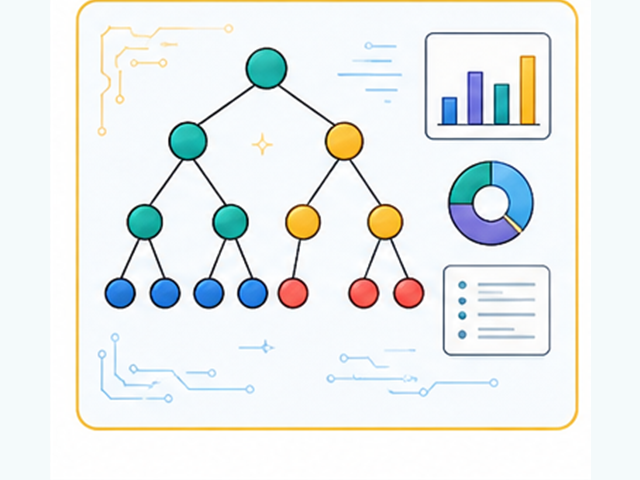
Gini impurity, entropy, information gain and algorithmic node splits.
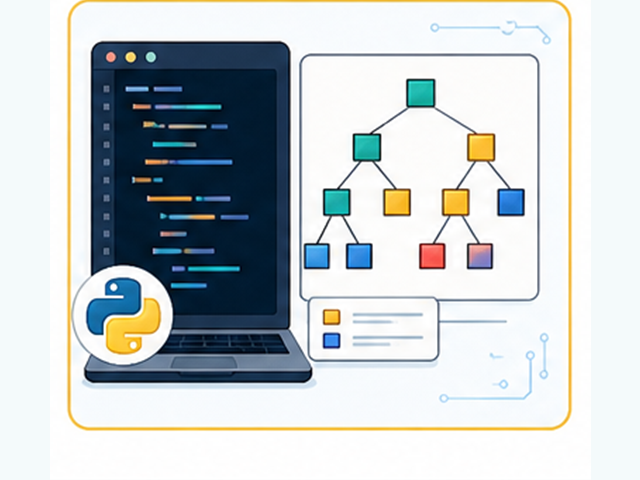
Parsing, building and pruning decision tree architectures.
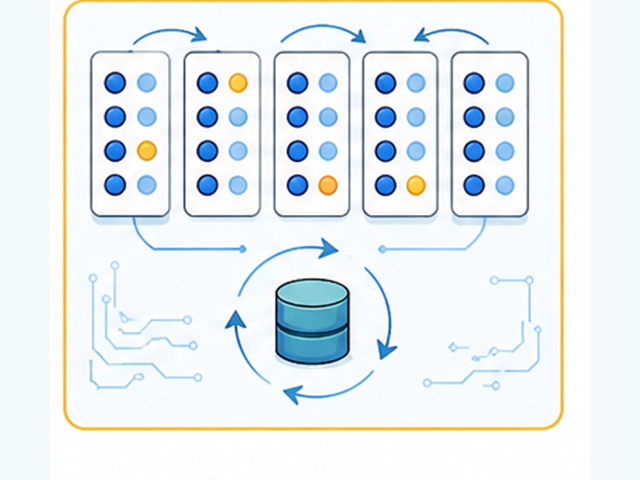
Using K-fold strategies to evaluate generalisation across test shards.
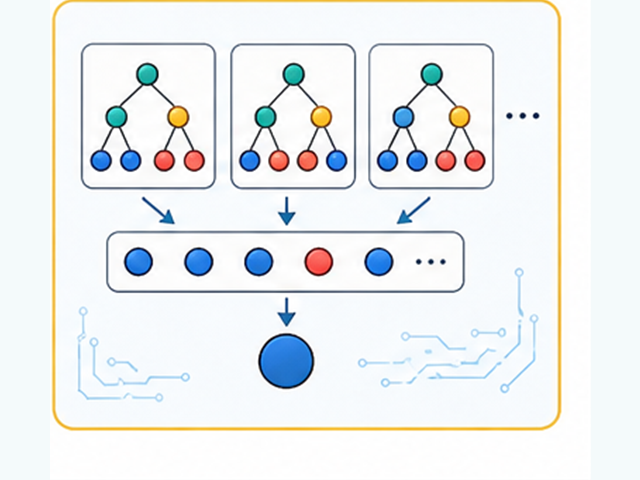
Ensemble modelling, bootstrap aggregating and tree voting.
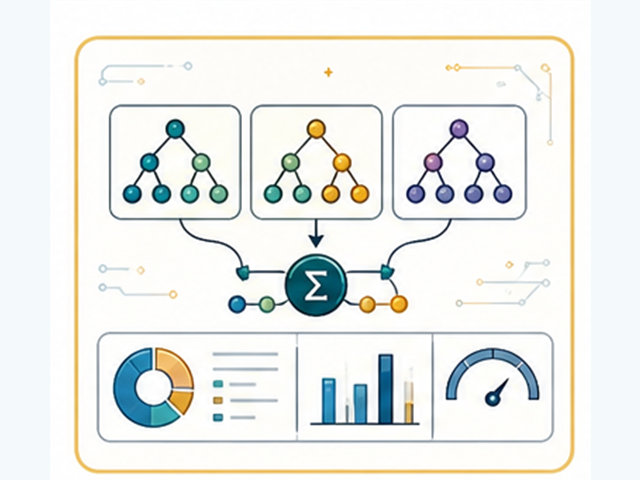
Building predictive ensemble architectures that improve validation accuracy.
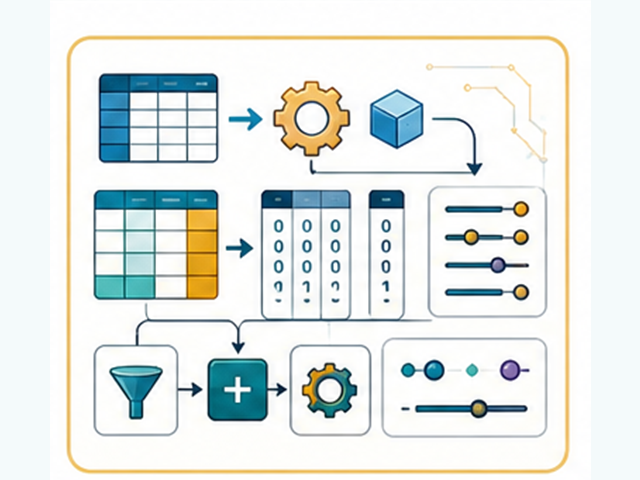
Scaling, normalisation and encoding categorical features for better models.
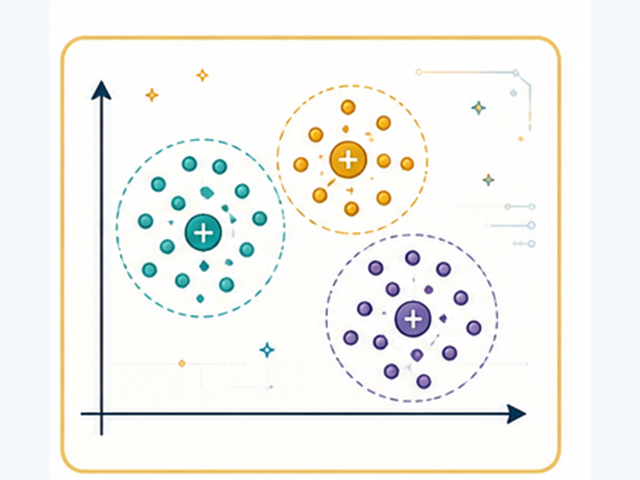
Unsupervised learning, centroids and groups inside unlabelled datasets.
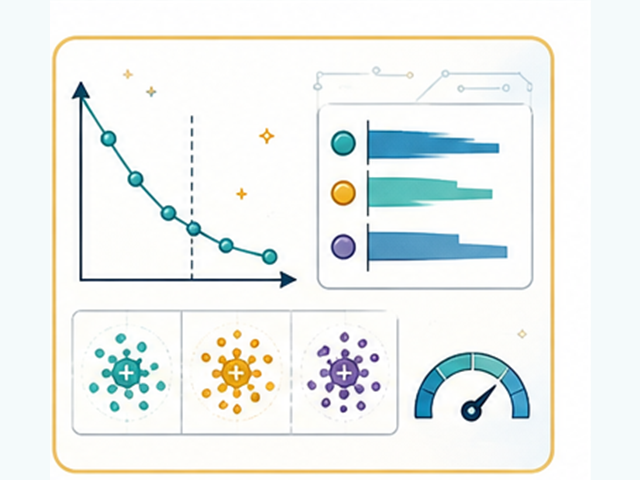
Finding cluster counts with elbow-method and silhouette metrics.
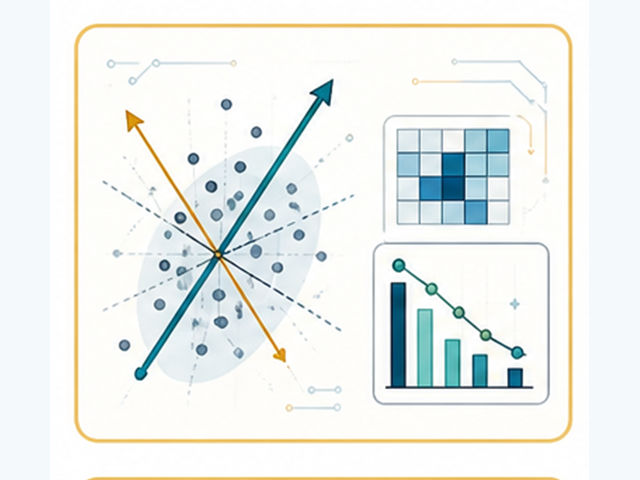
Eigenvalues, eigenvectors, variance retention and dimensionality reduction.
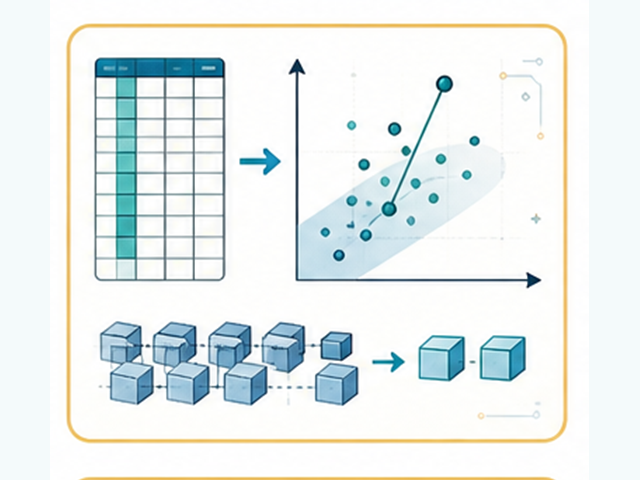
Compressing multi-dimensional data into principal components with Scikit-learn.
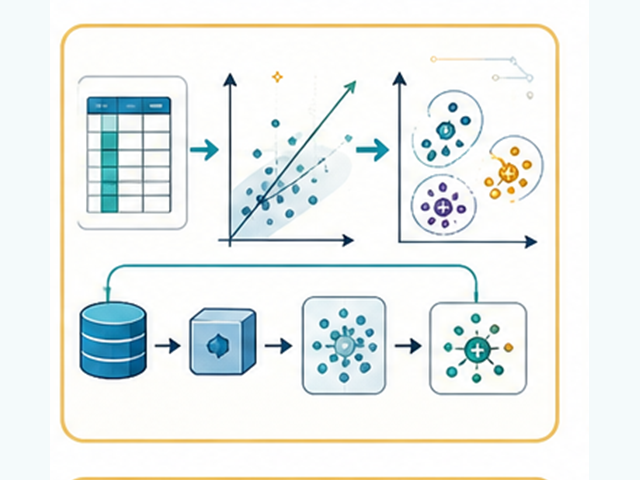
Combining PCA and K-Means for faster clustering on complex datasets.
A five-session applied project sprint where students source a challenge, engineer features, ensemble models and prepare a final portfolio showcase.

Launching the portfolio milestone, sourcing a challenge and setting baselines.
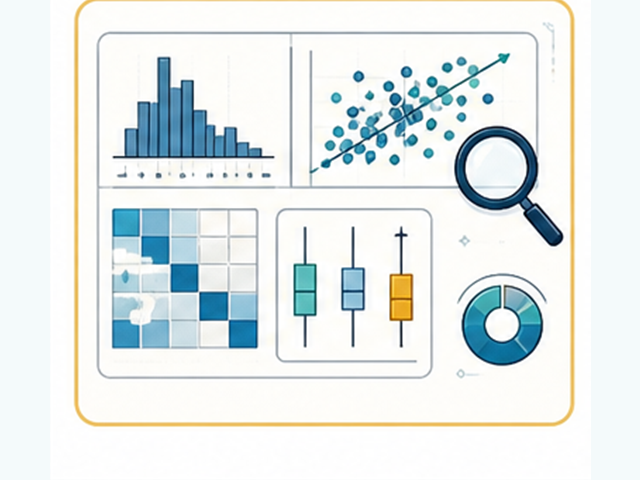
Exploratory data analysis, trend plots and handling structural null values.
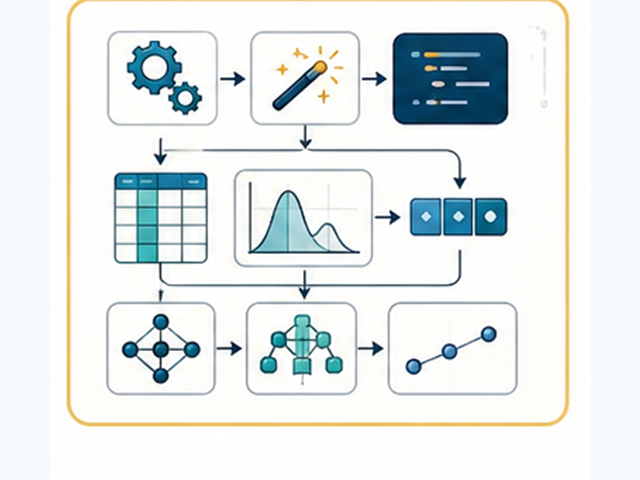
Feature transformation, engineered variables and model selection.
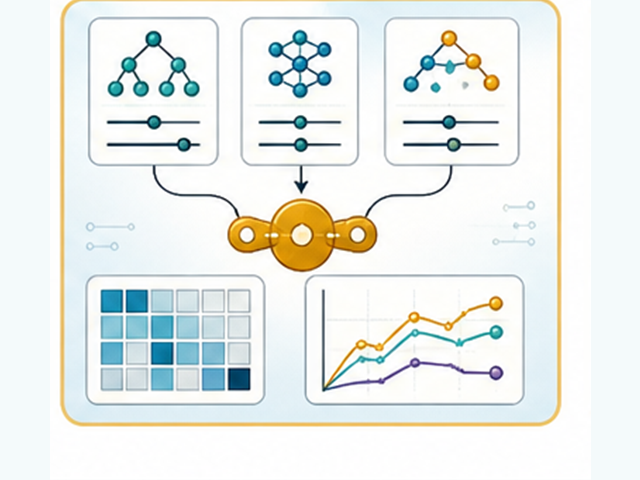
Ensembling estimators, tuning hyperparameters and optimisation checks.
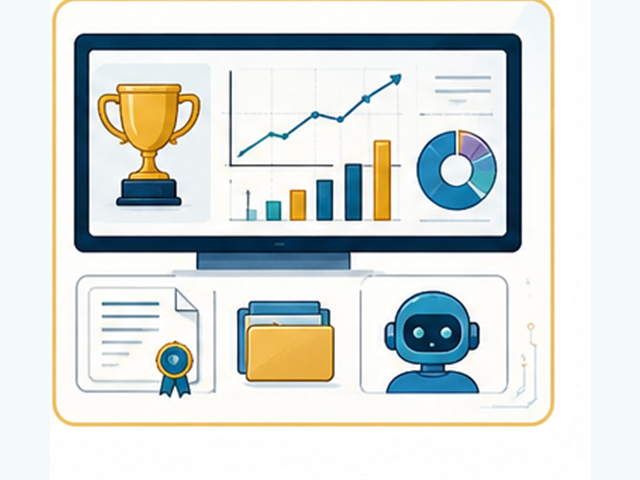
Submission pipeline, results dashboard and final Gold portfolio showcase.
Yes. Gold is the advanced DofE AI route for students ready to implement machine learning workflows in Python using tools such as NumPy, Pandas, Matplotlib and Scikit-learn.
Gold is not the beginner route. It is best for students ready for Python programming, structured data work and more demanding applied machine learning.
The final stage is a guided data challenge portfolio project where students apply the full workflow: data exploration, feature engineering, model selection, tuning, submission and results presentation.
Gold is structured as a 24-week, 6-month route, matching the longer Skills section commitment with sustained weekly technical development.
Gold is the next step after visual and conceptual AI work. Students move from understanding workflows through Blockly AI and model diagrams into writing Python code for real machine learning pipelines.
Check the live timetable or book a trial lesson before joining the Gold applied machine learning cohort.